

In today’s fast-paced business environment, executives are often required to make critical decisions on the fly. This is where mobile executive dashboards come into play, serving as a lifeline for those needing real-time insights and data at their fingertips. Imagine being able to access your key performance indicators (KPIs), financial metrics, and operational data—all from the convenience of your smartphone or tablet.
Mobile executive dashboards provide a modern solution for managing business performance while on the go. They not only enable executives to stay informed but also help them respond swiftly to changing conditions, streamline workflows, and drive strategic initiatives. With customizable features and user-friendly interfaces, these dashboards can present complex data in engaging, easy-to-digest formats, ensuring that decision-makers have the information they need at their disposal.
If you’re seeking to enhance your productivity and maintain a competitive edge in a mobile-centric world, understanding how to implement effective mobile executive dashboards is critical. Let’s explore their key benefits, best practices for deployment, and examples of tools that can help you stay ahead while managing your business from anywhere. Read more Most effective types of content marketing
❓What is storytelling marketing❓
Storytelling marketing is the art and science of crafting compelling narratives that engage audiences and create memorable brand experiences. By weaving a relatable brand narrative, businesses can transform mundane messages into stories that resonate emotionally, fostering stronger audience engagement.
A good story contains key components: a protagonist, often representing the brand or consumer; conflict, which highlights challenges or pain points; and resolution, offering solutions or a transformative experience. In marketing strategies, these elements work together to illustrate how a brand can address the audience’s needs, creating a powerful narrative arc.
Aligning the story with the target audience’s experiences is crucial for eliciting empathy and building emotional connections. By addressing specific pain points and aspirations, brands can create content marketing campaigns that not only entertain but also cultivate loyalty. Ultimately, storytelling marketing positions brands as relatable and trustworthy, enhancing their overall impact in the crowded marketplace.
Take advantage of our content marketing services now!
🎨 The Art of Storytelling 🎨
🖌️ Storytelling is a fundamental human practice that has evolved over 6,000 years, serving as a vital means of passing shared beliefs and values through engaging narratives. From ancient cave paintings to contemporary digital media, stories have provided a way for cultures to convey their history, morals, and collective identity. In today’s fast-paced world, modern storytelling has become essential in marketing, striking a balance between creativity and structure to effectively connect with audiences amid an overwhelming influx of information.
🖌️ By employing techniques like visual storytelling, marketers can enhance audience engagement, making complex messages more relatable and digestible. A systematic approach to storytelling is crucial; it allows brands to distill intricate ideas into compelling narratives that resonate with consumers. This art of narrative not only captures attention but also builds an emotional connection, fostering loyalty and encouraging action. In a landscape saturated with noise, mastering the craft of storytelling enables brands to rise above the clutter and engage their audience meaningfully.
📢 Using Storytelling in Brand Awareness Campaigns 📢
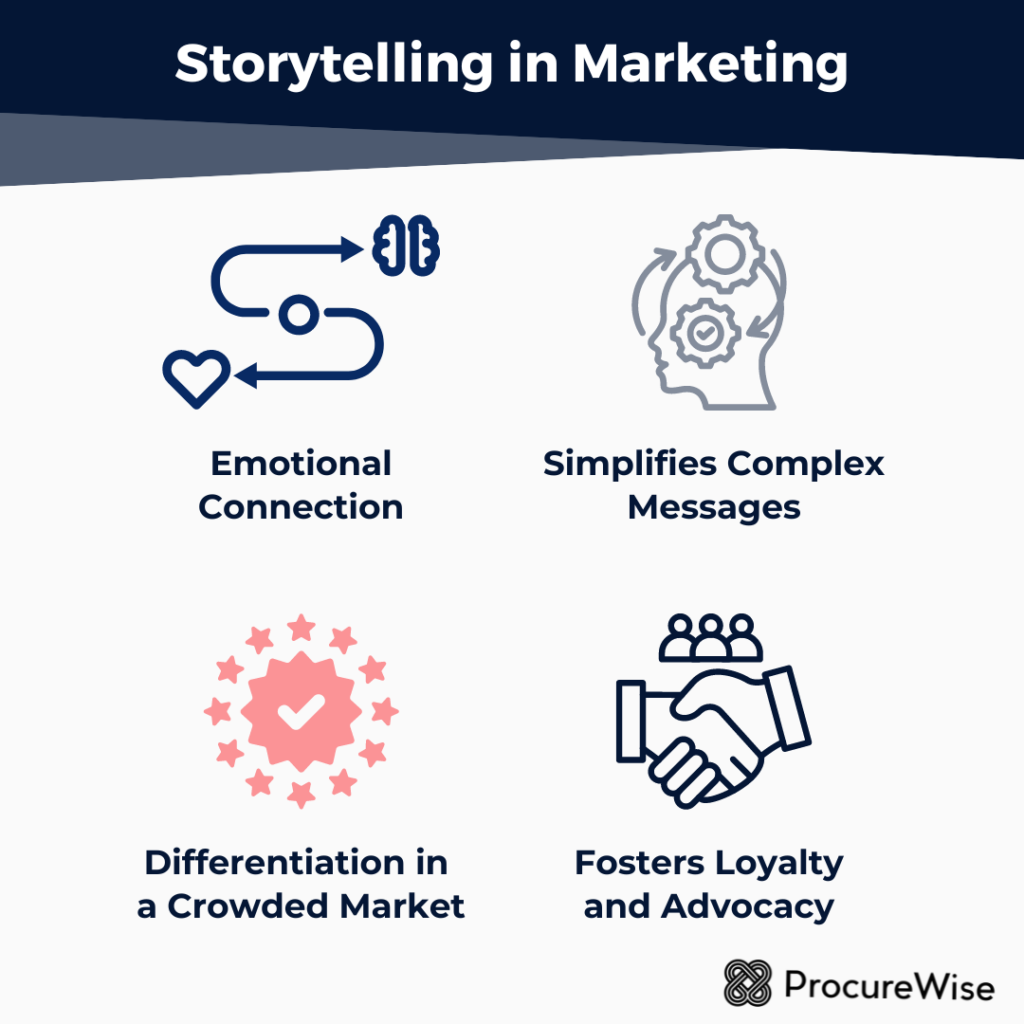
Storytelling plays a pivotal role in brand awareness campaigns by evoking emotions, simplifying complex messages, and differentiating brands in a crowded market. Emotive narratives resonate with audiences, making them more likely to remember and connect with a brand. Through storytelling, brands can turn abstract concepts into relatable experiences, fostering a deeper emotional connection that enhances customer loyalty.
Various storytelling techniques can be utilized across different content types, such as video, social media, and blogs, to create compelling narratives. For instance, using a hero’s journey format can spotlight customer challenges and triumphs, showcasing how a brand contributes to their success. Additionally, incorporating visuals and personal anecdotes can transform a brand’s message into an engaging story that captures attention.
Furthermore, integrating cultural or social values into storytelling not only resonates with target audiences but also cultivates a community around the brand. Ultimately, effective storytelling in content marketing not only raises brand awareness but also transforms casual consumers into loyal advocates, solidifying the brand’s place in their lives.
💼 How Do You Use Storytelling in Your Content Strategy? 💼
👉 Incorporating storytelling into your content strategy is essential for creating a cohesive narrative that resonates emotionally with your audience. A compelling brand story articulates your values, mission, and unique selling propositions, fostering a deeper emotional connection. When consumers relate to your brand’s journey, they are more likely to engage and develop lasting customer loyalty.
👉 To enhance connection across various content types, consider employing techniques such as character development, conflict resolution, and relatable settings. By showcasing real customers or relatable scenarios, you can illustrate how your brand solves problems, leading to an engaging narrative. Moreover, visual storytelling through videos, infographics, or social media posts can amplify emotional impact and retention, converting mere facts and figures into memorable experiences.
👉 Remember, stories compel us to feel, think, and act. They improve retention and engagement, prompting audiences to share and advocate for your brand. Making storytelling a cornerstone of your content marketing not only elevates your brand story but also forges a loyal customer base, ultimately driving sustained success.

✨ Importance of Storytelling in Content Marketing? ✨
➡️ Power of Storytelling is crucial in content marketing due to its unique capacity to evoke emotions and create memorable messaging. When brands craft narratives that resonate, they establish an emotional connection with their audience, making their message more impactful and relatable. This emotional engagement not only differentiates brands from competitors but also fosters brand loyalty, as consumers are more likely to remember and advocate for a brand that tells a compelling story.
➡️ Effective storytelling simplifies complex messages, allowing brands to communicate their values clearly and concisely. By weaving narratives that embody their mission and vision, brands can forge deeper connections with their audience, enhancing trust-building efforts. Trust is essential in today’s marketplace; consumers are drawn to brands that demonstrate authenticity and transparency.
➡️ Ultimately, storytelling serves as a powerful tool for solidifying customer loyalty. When a brand consistently delivers narratives that reflect their core values and engage emotionally, they cultivate a loyal customer base that feels aligned with their vision. In short, storytelling not only enriches content marketing strategies but also nurtures lasting relationships with audiences, making it indispensable for any successful brand.
☑️ How Effective is Storytelling in Content Marketing? ☑️
✔️ Storytelling is a powerful tool that significantly enhances content marketing effectiveness by evoking emotions and fostering deeper connections with audiences. Through relatable narratives, brands can simplify complex messages, making them more accessible and engaging. This emotional connection not only captures attention but also encourages audiences to remember and resonate with brand values.
✔️ In a competitive market, differentiation is crucial. Stories allow brands to stand out by highlighting unique attributes and experiences that set them apart from competitors. When consumers connect with a brand’s narrative, it not only builds loyalty but also enhances brand recognition, making it easier for customers to recall those companies when making purchasing decisions.
✔️ Moreover, memorable brand experiences crafted through storytelling leave lasting impressions. A well-told story can transform a mundane product into a must-have item, driving consumer interest and engagement. Ultimately, storytelling enriches content marketing by making it more personal, distinctive, and impactful, paving the way for brands to thrive in an increasingly crowded landscape.
📋 10 Examples of storytelling marketing 📋
Storytelling marketing has emerged as a powerful strategy for brands seeking to forge emotional connections with their audiences. Here are ten exemplary cases:
1️⃣ Disney: Through the heartwarming tale of a duckling admiring Donald Duck, Disney crafts brand narratives that resonate with audiences, evoking nostalgia and joy.
2️⃣ Coca-Cola: Their “Share a Coke” campaign features personal stories embodied in names, fostering connections between consumers and the brand.
3️⃣ Nike: The “Just Do It” message showcases athletes overcoming adversity, inspiring viewers to chase their dreams while reflecting the challenges they face.
4️⃣ Apple: The “Think Different” campaign highlights innovators’ stories, celebrating creativity and encouraging customers to embrace their individuality.
5️⃣ Airbnb: Their “Belong Anywhere” initiative shares personal travel stories, building an emotional connection to the idea of community and shared experiences.
6️⃣ Always: The “Like a Girl” campaign transforms a phrase into a powerful narrative, challenging stereotypes and inspiring young girls to embrace their strength.
7️⃣ Google: The “Year in Search” video series tells stories of human resilience and curiosity, reflecting global challenges while fostering a sense of togetherness.
8️⃣ John Lewis: Each holiday season, their emotionally charged ads, like the tale of a young boy and his imaginary friend, evoke heartfelt sentiments, establishing deep customer loyalty.
9️⃣ Patagonia: Their environmental narratives connect the brand’s mission with customers’ values, inspiring them to engage in sustainability efforts.
🔟 GE: “The Message” podcast combines storytelling with technology themes, captivating audiences while promoting innovation.
These storytelling strategies not only evoke emotions but also inspire and reflect the challenges faced by characters or brands, making them relatable and memorable.