

In the competitive marketplace, discounting might seem like an attractive strategy to attract customers and drive sales. However, what many businesses fail to recognize are the hidden costs that come with slashing prices. While a reduction in price can lead to a temporary spike in sales, it can also erode profit margins, damage brand perception, and create a cycle of dependency on discounts.
Understanding the true impact of discounting on your business’s financial health is crucial. From decreased perceived value of your products to the potential for increased volume of sales that may not compensate for the lower price, the ripple effects can be significant. This guide will explore the often-overlooked downsides of discounting and provide strategies to protect your revenue and maintain brand integrity, all while still attracting and retaining customers without compromising your bottom line. If you’re ready to uncover the hidden costs of discounting and learn how to make smarter pricing decisions, read on.
🧠 The Psychology Behind Pricing and Discounting 🧠
Pricing strategies and discounting practices are grounded in psychological principles that deeply influence consumer behavior.
One prominent tactic is psychological pricing, exemplified by the use of prices ending in .99. This method leverages the left-digit bias, where consumers perceive such prices as significantly lower than rounded prices, leading them to view them as better deals. This perception can drive higher sales volumes, as customers are more likely to purchase items perceived as offering greater value.
Additionally, discounting plays a crucial role in shaping customer perceptions. Thoughtfully managed discounts not only enhance the attractiveness of a product but also foster a sense of urgency and exclusivity. When customers perceive a discount as a limited-time opportunity, they may feel compelled to act quickly, thereby accelerating purchasing decisions. This urgency can be essential in B2B environments, where lengthy sales cycles often necessitate a push towards closing deals.
Moreover, pricing strategies informed by the price–quality–value model highlight the delicate balance consumers strike between perceived quality and monetary sacrifice. A higher price may signal superior quality, yet it also represents a greater perceived loss. Businesses that successfully navigate this trade-off can enhance consumer perceptions of value, ultimately increasing willingness to buy.
In sum, the psychology behind pricing and discounting is intricately linked to consumer perceptions and behaviors. By harnessing cognitive biases and understanding the interplay of price, quality, and value, businesses can optimize their pricing strategies to drive sales while cultivating long-term customer relationships.
📚 Types of Discounts 📚
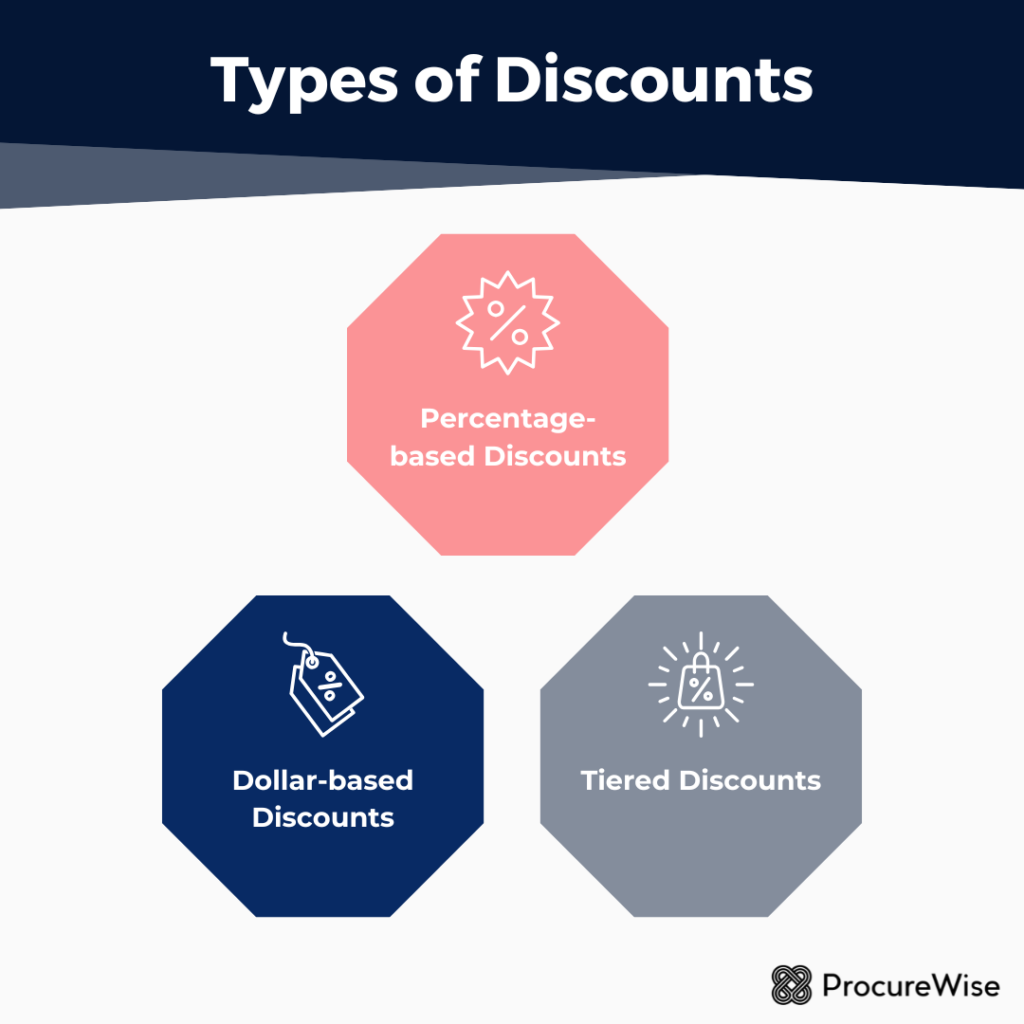
In marketing, discounts are vital for attracting customers and boosting sales. Knowing the various types helps businesses create effective pricing strategies. Here are three common discounts:
➡️ Percentage-based Discounts: These offer a specific percentage off the initial price, like “20% off,” allowing customers to easily assess their savings. They work well for high-priced items, creating urgency with limited-time offers. However, businesses need to monitor profit margins to avoid excessive discounting.
➡️ Dollar-based Discounts: Often shown as “$10 off,” these are effective for lower-priced items, making savings clear and enhancing customer impact. Shoppers may respond better to tangible dollar amounts, encouraging impulse buys and satisfaction. Strategic use can maximize perceived value.
➡️ Tiered Discounts: These encourage increased spending by offering discounts based on purchase amounts, such as “Spend $50, Get $10 Off.” This motivates customers to buy more to reach discount thresholds, enhancing average order value and fostering loyalty.
Choosing the right discount significantly affects purchase behavior and profitability. By utilizing various strategies—percentage, dollar, and tiered—businesses can align with market demands and customer preferences, driving sales while maintaining healthy margins.
🗣️ Consumer Response to Discount Depths 🗣️
Deep Discounts vs. Shallow Discounts ↕️
Retailers often assess discount strategies to boost sales while preserving profits. Common belief holds that deeper discounts attract consumers, but research indicates perceived urgency plays a vital role. Our studies show shallow discounts (under 10%) can effectively influence purchase intentions when presented as limited-time offers.
This urgency can often surpass the allure of larger discounts. Furthermore, using precise discount figures (e.g., 6.8% vs. 7%) amplifies consumer inclination to buy, highlighting the importance of presentation over discount depth.
Impact of Discount Duration on Purchasing Intent ⌛
Shorter perceived discount durations enhance customer behavior. When sale prices seem time-sensitive, consumers are more likely to act quickly, fearing loss of opportunity, thus increasing purchase intentions. While deep discounts seem attractive, shallow ones framed as fleeting possibilities can lead to stronger consumer engagement.
In a crowded retail environment, focusing on the urgency and duration of discounts can motivate quicker purchases. In summary, both discount depth and their urgent presentation significantly affect consumer behavior, guiding retailers to promote effectively while safeguarding margins.
📄 The Role of Psychological Principles in Pricing 📄
Psychological principles play a crucial role in shaping pricing strategies that resonate with consumers and drive purchasing decisions. Understanding how pricing affects consumer perception allows businesses to harness cognitive biases and emotional triggers to enhance appeal and encourage sales.
✏️ One of the key psychological tactics is charm pricing, where prices are set just below a round number, such as $9.99 instead of $10. This strategy leverages the left-digit bias, making consumers perceive prices ending in .99 as significantly lower, thus presenting them as better deals. Such pricing strategies not only influence the perceived value of a product or service but also create an urgency to purchase decision, as consumers are drawn to the notion of saving money.
✏️ Additionally, psychological pricing appeals to the emotions of consumers, shaping their perception of worth and prestige. For instance, premium pricing can be utilized to signal luxury and exclusivity, tapping into the consumers’ desire for status. In contrast, value-based pricing focuses on the perceived benefits, aligning the price with the customer’s perception of what they are willing to pay based on the value they expect to receive.
By integrating psychological principles into pricing strategies, businesses can effectively navigate market competition, enhance customer satisfaction, and maximize profitability. Understanding the underlying psychology of consumer behavior empowers companies to establish prices that not only cover costs but also resonate deeply with their target audience, ultimately driving sales and fostering long-term loyalty.
🌟 The Influence of Dynamic Pricing 🌟
Dynamic pricing, a strategy where prices fluctuate based on market demand, competition, and other factors, has a significant impact on consumer behavior and perceived value. By adjusting prices in real-time, businesses can optimize their revenue and enhance customer engagement. This pricing model taps into psychological principles, such as urgency and exclusivity, compelling consumers to act quickly to secure perceived deals.
▶️ One of the key benefits of dynamic pricing is its ability to create a sense of urgency among consumers. For instance, when customers see prices change based on inventory levels or time constraints, they may feel compelled to purchase before potential price increases or product shortages occur. This aligns with tactics like limited quantity promotions and countdown timers, which further enhance urgency and spur immediate buying decisions.
▶️ Moreover, dynamic pricing can bolster perceived value by aligning prices with customer willingness to pay. As prices adjust based on demand and competitive analysis, consumers are more likely to view these prices as reflective of the product’s worth in relation to their own perceived value. This adaptability allows businesses to cater to various consumer segments—those who are price-sensitive may respond favorably to lower prices, while others may seek high-quality offerings regardless of cost.
In essence, dynamic pricing not only maximizes profitability but also influences how consumers perceive value. By leveraging psychological insights and real-time data, companies can strategically position their products in a way that resonates with their target audience, ultimately driving brand equity and customer loyalty.
💼 Effective Discount Management 💼
Effective discount management is crucial for B2B organizations aiming to balance competitiveness, profitability, and customer loyalty. To achieve this, businesses should focus on several key components:
👉 Customer Segmentation and Behavior Analysis: Understanding customer demographics, purchasing habits, and price sensitivities allows organizations to tailor discount strategies that resonate with different segments. This targeted approach enhances the effectiveness of promotions and fosters customer loyalty.
👉 Discount Strategy and Pricing Structure: A well-defined discount strategy, aligned with a robust pricing structure, is essential. This involves setting clear discount policies that avoid excessive discounting while still appealing to customers. By regularly reviewing and adjusting these strategies, businesses can maintain healthy profit margins.
👉 Technology and Automation: Leveraging advanced software solutions can streamline discount management processes. Automation tools help track discount usage, analyze outcomes, and provide data-driven insights, enabling organizations to respond dynamically to market changes.
👉 Monitoring and Evaluation: Continuously assessing the effectiveness of discount strategies is vital. Businesses should track key performance metrics such as sales volume, revenue, and profit margins to identify successful tactics and areas for improvement.
Sales Team Training and Communication: Ensuring that sales teams understand and adhere to discount policies is essential. Regular training sessions and clear communication foster accountability and help align sales practices with broader strategic goals.
By focusing on these components, businesses can optimize their discount management practices, ensuring they attract customers while safeguarding their profitability.

⚠️ When does cutting prices hurt your business? ⚠️
Lowering prices might seem like an effective strategy to boost sales and attract new customers, but it can have detrimental effects on your bottom line. Many businesses fall into the trap of thinking that discounts will drive volume and improve profitability. However, the reality is often more complex.
When you reduce prices, you may inadvertently trigger a need for significantly higher sales volumes just to maintain your existing profit margins. For example, a 5% discount requires a 14% increase in sales volume to achieve the same gross profit, while a 30% discount necessitates a staggering 400% increase. This is a daunting challenge, particularly in a marketplace where consumer behaviors and preferences have shifted due to factors like the pandemic.
Moreover, frequent discounting can erode perceived value, leading customers to expect lower prices as the norm. This devaluation can alienate your existing clientele, particularly those who are loyal to your brand and willing to pay full price. As such, the focus should be on understanding shifts in price elasticity and the specific conditions of your market rather than hastily resorting to price cuts.
The implications of poor pricing strategies extend beyond sales figures; they permeate all departments within a company. Inconsistent pricing can confuse sales teams and alienate potential customers, leading to lost opportunities. Addressing these challenges requires a careful analysis of customer behavior, market trends, and product positioning to find the right balance that sustains profitability without sacrificing brand integrity. Ultimately, businesses must recognize that lower prices do not always equate to higher sales and must strategically evaluate when and how to adjust their pricing to protect their bottom line.
⚖️ Ethical Considerations in Pricing Strategies ⚖️
Implementing ethical pricing strategies is fundamental to building and maintaining trust with customers.
📌 Transparency plays a crucial role; businesses must clearly communicate the rationale behind price adjustments or discount offerings. When customers understand the factors influencing pricing, they are more likely to perceive the brand as fair and trustworthy.
📌 Moreover, maintaining fairness in pricing is essential. Companies should avoid significant price hikes during periods of high demand, as this can lead to perceptions of exploitation and damage customer relationships. Instead, pricing should reflect the value delivered consistently, regardless of market fluctuations.
📌Additionally, ethical use of customer data is paramount. Businesses should leverage data analytics to enhance customer experiences without infringing on privacy or exploiting individual preferences. By analyzing purchasing trends responsibly, companies can tailor offers that genuinely benefit customers while also aligning with their financial goals.
Ultimately, ethical pricing strategies foster customer loyalty and contribute to long-term business success, reinforcing the importance of integrity in all pricing decisions.