

In running a business, it is crucial to understand the differences between a Vendor and a Supplier. Although these terms are often used interchangeably, they actually refer to different roles in the supply chain.
Knowing the difference between Vendors and Suppliers can help you manage and optimise your relationship with these important Partners. By understanding their roles and responsibilities, you can make informed decisions about sourcing, pricing and collaboration.
In this article, we will explore the differences between Vendors and Suppliers, and provide strategies for effectively managing both types of relationships. Whether you are a small business owner or a Sourcing Specialist, this guide will help you navigate the Supplier environment with confidence. Read more The role of the Buyer in the company.
💲 Vendor – definition 💲
A Vendor is someone whose role in the supply chain is to provide goods or services directly to the end Customer. In a B2B relationship (Business-to-Business) context, a Vendor can be a company that supplies products or services to another company, which in turn sells them to Customers. Conversely, in a B2C business relationship (Business-to-Consumer) context, a Supplier may be an online shop that delivers products directly to the consumer.
Vendors usually have a transactional relationship with companies. Companies choose Vendors based on the goods or services they offer and the competitive price. For example, Staples is a company that acts as a Vendor, providing office supplies and services to businesses. Businesses using Staples can purchase products in bulk supply at competitive prices. Another example are big-box retailers that have a list of Vendors with products from different manufacturers.
In terms of Vendors, efficient supply chain management and quality Customer service are key. Companies tend to choose strategic Vendors with whom they establish long-term relationships and who can supply a wide range of products.
Vendors can be said to be the last link in the supply chain that connects products or services from Manufacturers and Suppliers to Customers. They offer products from Manufacturers and Suppliers and their job is to deliver the final product or service to the Customer.
Take advantage of our supply chain management now!

📦 Supplier – definition 📦
A Supplier is a business entity that is crucial to businesses by providing them with the necessary goods or services. The definition of a Supplier has to do with the role they play in providing the raw materials, components or services needed to produce a product. Suppliers are an integral part of the supply chain and their role is crucial to the efficient running of a business.
In the case of services, Suppliers are service providers and can act as specialists in specific areas, such as accounting, marketing or IT services. They are specialists who provide specific services to companies, facilitating their operations and supporting them in achieving their business goals.
Working with reliable Suppliers is essential for the smooth operation and competitiveness of businesses, as they ensure timely delivery and high quality of goods or services.
Effective Supplier management can lead to cost savings and improved product quality, while long-term partnerships can result in better Customer service and access to resources. Overall, Suppliers are key players in the business supply chain.
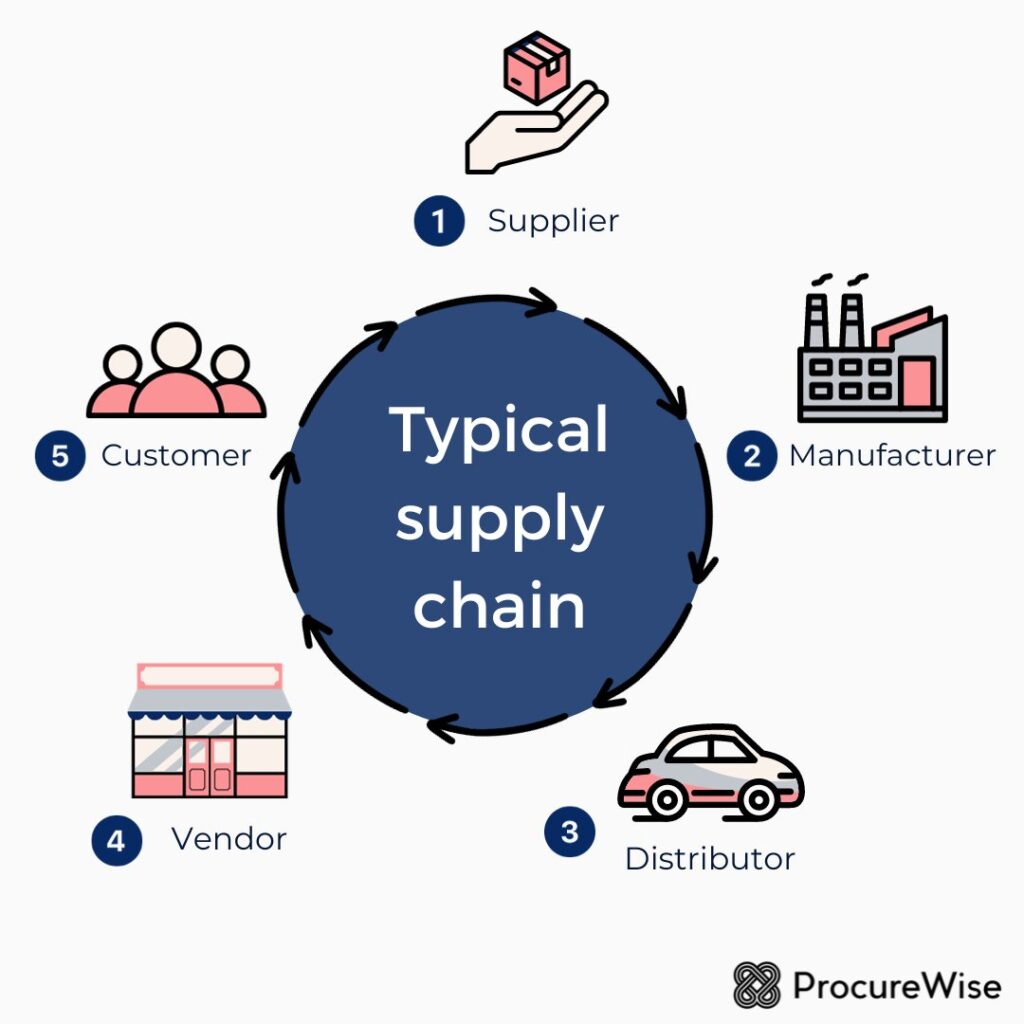
💥 Key differences between Vendor and Supplier 💥
Suppliers and Vendors of goods are integral parts of the supply chain process in any business. Although both positions play a key role in the provision of raw materials and services, there are some major differences between them. Below are the core differences between Suppliers and Vendors that you should know in order to properly manage this business relationship.
1️⃣ Relationships
A vendor usually refers to a company or individual who sells products or services to another company. The relationship is usually transactional in nature, with the Vendor providing a specific product or service in exchange for payment. A Supplier, on the other hand, refers to a party that provides goods or services that are essential to another company’s business. This relationship is often more strategic and long-term, with the Supplier playing a key role in the company’s supply chain.
2️⃣ Dependance
The Vendor is usually the party that provides goods or services to the Buyer, but the Buyer is not highly dependent on the Vendor for its operations. In contrast, the Supplier is the party that supplies goods or services critical to the Purchaser’s business, and the Purchaser is highly dependent on the Supplier for the continuity of its operations. This dependence can affect the level of control, negotiating power and dynamics of the relationship between the Purchaser and the Vendor/Supplier.
3️⃣ Risk and liability
Vendors usually provide products or services that are used directly by the Customer. They are responsible for ensuring that their products or services meet the Customer’s needs and specifications. In the event of any defects or problems with the product or service, the Vendor is usually liable. Suppliers usually supply raw materials, components or parts that are used in the production or manufacturing process. They are responsible for delivering the materials or parts on time and in the specified quantity. If there are any problems with the quality or delivery of materials, the Supplier may be held liable.
Conclusion
Understanding the differences between Vendors and Suppliers of goods and effectively managing this business relationship is critical to the success of any business. Although Vendor and Supplier are similar terms they are distinctly different in the context of the supply chain. The Vendor sells products or services to the end Customer, while the Supplier provides the products or services necessary to run the Customer’s business. In addition, their relationship, dependency and responsibility with Purchasers are different.
Find out more – contact us!