

In today’s dynamic market landscape, businesses must be agile and strategic to stay competitive. One effective approach is seasonal pricing, where companies adjust their prices based on changes in demand throughout the year. But what exactly is seasonal pricing, and how can your business effectively capitalize on market fluctuations?
Seasonal pricing isn’t just about slashing prices during the holiday season; it’s about understanding your customer base, predicting buying patterns, and strategically adjusting prices to optimize sales and profitability. By keeping a pulse on market trends, consumer behavior, and seasonal demand shifts, businesses can strategically implement pricing strategies that reflect the value of their products during peak times while also offering competitive rates during off-peak periods.
In this guide, we will explore the fundamentals of seasonal prices, its advantages, and practical strategies for implementation. We’ll also provide real-world examples to illustrate how businesses have successfully navigated seasonal pricing challenges and reaped the rewards. Whether you run a retail store, an e-commerce platform, or a service-based business, understanding and applying seasonal pricing can help you maximize your revenue potential and adapt to ever-changing market conditions. Get ready to dive into the world of seasonal pricing and discover how it can be a game-changer for your business!
💡 Understand the Concept of Seasonal Pricing 💡
Seasonal pricing is a strategic approach that involves adjusting product prices in response to fluctuations in demand throughout the year. By recognizing the cyclical nature of consumer behavior, businesses can optimize their pricing to maximize profitability and maintain a competitive edge.
During peak seasons, when demand is high—such as holiday periods or special events—vendors often raise prices to capitalize on increased consumer spending. For instance, a retailer might increase the price of winter apparel during the colder months when shoppers are actively seeking warm clothing. Conversely, during off-peak times, vendors may lower prices or offer discounts to stimulate sales and clear out inventory. An example of this would be discounting summer clothing in the winter months to attract budget-conscious shoppers and ensure a steady turnover of stock.
⚠️ Implementing seasonal pricing requires careful analysis of sales data and market trends, enabling businesses to anticipate demand shifts and adjust their pricing strategies accordingly. This flexibility not only enhances profitability but also aligns prices more closely with consumer expectations, ultimately fostering customer loyalty and satisfaction.
🌟 Develop Dynamic Pricing Strategies for Seasonal Demand 🌟
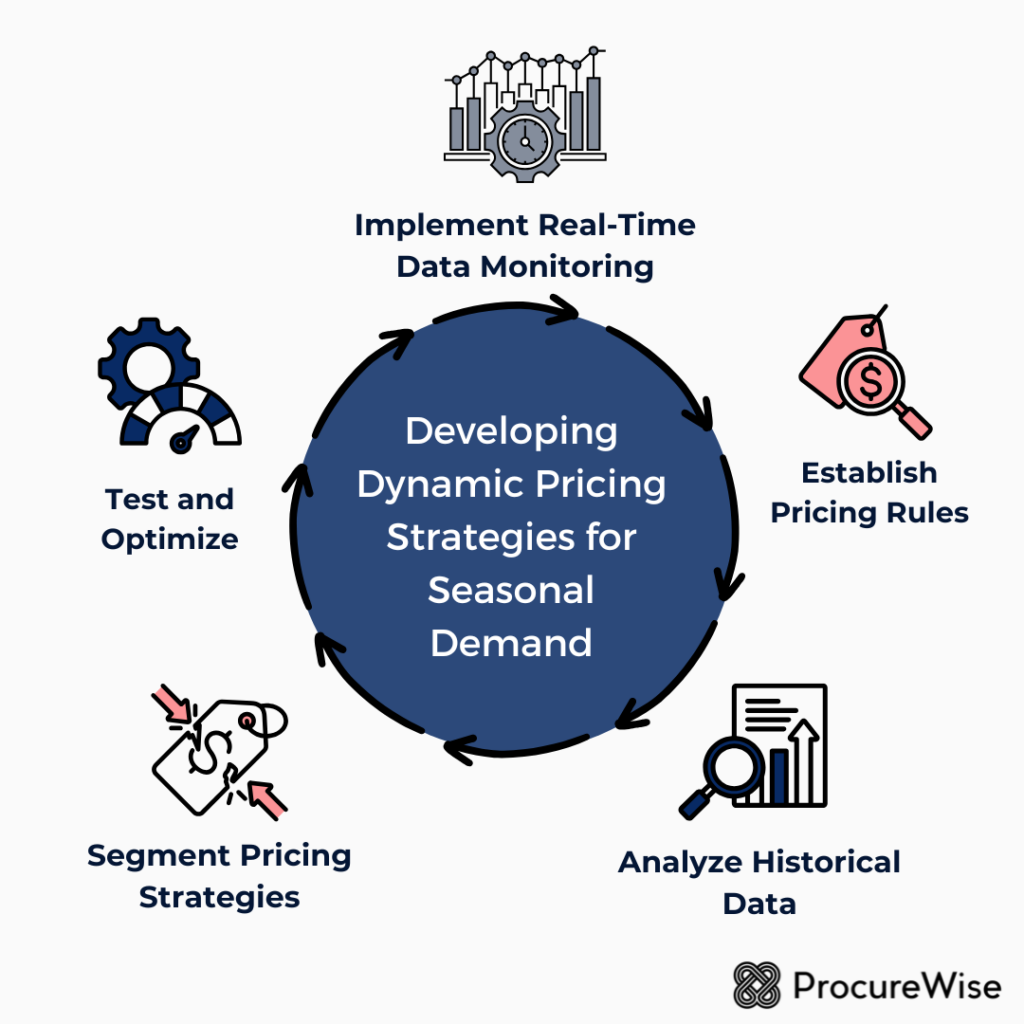
Dynamic pricing strategies are essential for businesses looking to optimize their revenue during seasonal demand fluctuations. By leveraging advanced pricing tools and algorithms, companies can adjust their prices in real-time based on various factors such as market demand, inventory levels, and competitor pricing.
1️⃣ Implement Real-Time Data Monitoring: Utilize pricing software that continuously analyzes market conditions and consumer behavior. This allows businesses to react swiftly to changes in demand, ensuring they capitalize on peak sales periods while remaining competitive.
2️⃣ Establish Pricing Rules: Define specific rules for automatic price adjustments based on predetermined criteria. For instance, businesses can set rules to lower prices during off-peak seasons to stimulate sales or to increase prices as demand rises, thus maximizing profit margins.
3️⃣ Analyze Historical Data: Review past seasonal trends to identify patterns in consumer purchasing behavior. This data can inform future pricing strategies, allowing businesses to anticipate demand surges and adjust prices proactively.
4️⃣ Segment Pricing Strategies: Consider different pricing approaches for various segments of your customer base. Tailoring prices based on customer demographics, purchasing habits, or loyalty can enhance engagement and drive sales during critical seasonal periods.
5️⃣ Test and Optimize: Continuously test different pricing strategies to see which yields the best results. Use A/B testing to evaluate the effectiveness of pricing changes and adjust strategies accordingly to find the optimal balance between competitiveness and profitability.
By implementing these dynamic pricing strategies, businesses can effectively navigate seasonal demand fluctuations, ensuring they not only attract customers but also maximize their revenue potential throughout the year.
💸 Implement Discount Pricing for Special Occasions 💸
Discount pricing is a strategic approach that can significantly boost occupancy and revenue during special occasions. By offering targeted discounts during key events or holidays, hotels can attract cost-conscious travelers and incentivize bookings during periods of typically lower demand.
🪙 For instance, during holiday seasons such as Christmas or Valentine’s Day, hotels can implement compelling promotional rates to entice guests who are looking for festive getaways.
🪙 Similarly, discounts during off-peak times, like weekdays in January, can help fill rooms that might otherwise remain vacant. These special occasion discounts can be communicated through targeted marketing campaigns, leveraging email newsletters and social media to reach potential customers effectively.
🪙 Moreover, creating packages that bundle accommodations with special amenities or local experiences adds value and enhances the overall guest experience. For example, couples could be offered romantic packages that include dinner discounts or spa treatments, making the stay more appealing.
Implementing discount pricing for special occasions not only helps in maximizing occupancy rates but also strengthens customer loyalty. Guests who appreciate these deals are more likely to return and recommend the hotel to others, ensuring long-term profitability and competitiveness in the market.
🎚️ Adapt Seasonal Pricing 🎚️
Adapting seasonal pricing is essential for maximizing revenue and enhancing competitiveness throughout the year. To effectively implement this strategy, start by conducting thorough competitor analysis to understand their pricing tactics during specific seasons. Monitor their pricing changes during peak periods, such as holidays or sales events, to identify patterns that could inform your own strategy.
➡️ Gather customer feedback to gauge purchasing preferences and consumption patterns. Engaging with loyal customers can provide valuable insights that shape your pricing decisions. Utilize this information to develop tailored seasonal pricing strategies that resonate with your audience and align with market demand.
➡️ Dynamic pricing is a key component of seasonal pricing adaptation. By adjusting prices in real time based on fluctuations in supply, demand, and competitor pricing, you can capitalize on heightened consumer interest during peak seasons such as Black Friday or holiday sales.
➡️ Moreover, continually monitor and optimize your pricing strategies. Analyze sales data and customer behavior to identify what works and what doesn’t, allowing you to refine your approach for future seasons. With careful planning and a keen understanding of your audience, you can create engaging shopping experiences that drive sales and boost revenue, ensuring your business thrives during peak periods.
🔌 Leverage Technology for Real-Time Price Adjustments 🔌
In the dynamic landscape of pricing strategies, technology plays a pivotal role in optimizing revenue outcomes. Real-time price adjustments facilitated by advanced pricing software and artificial intelligence (AI) enable businesses to respond swiftly to market fluctuations. These systems analyze a myriad of data points—including competitor pricing, consumer behavior, and inventory levels—to recommend optimal price changes.
For instance, when demand spikes for a particular product or service, the technology can automatically raise prices to capitalize on this opportunity. Conversely, during periods of low demand, it can lower prices to stimulate sales, effectively balancing supply and demand. Moreover, these AI-driven tools provide invaluable insights, allowing businesses to forecast pricing trends and make proactive adjustments.
By implementing such technology, companies not only enhance their pricing efficiency but also improve their competitive positioning. The ability to adapt pricing strategies in real time fosters a more agile business model, ultimately leading to increased profitability and customer satisfaction. In today’s market, leveraging technology for price adjustments is no longer just an advantage; it’s a necessity.

🥊 Address Challenges in Implementing Seasonal Pricing 🥊
While seasonal pricing strategies offer significant benefits, their implementation can come with several challenges that businesses must navigate carefully.
💥 Fluctuating Demand and Competition: One of the primary challenges is accurately predicting demand fluctuations throughout the season. Misestimating consumer interest can lead to either overstocking or stockouts, both of which can result in lost revenue. Additionally, competitors may react quickly to seasonal pricing changes, which can erode profit margins if they undercut prices to attract customers. Therefore, businesses need to closely monitor market trends and competitor behavior to stay competitive.
💥 Resource Allocation: Implementing seasonal pricing strategies often requires additional resources in terms of time, technology, and personnel. Small businesses, in particular, may struggle with the upfront investment needed to integrate advanced pricing software or conduct thorough market research. Effective resource allocation becomes crucial to sustain the desired pricing strategy without diverting too much focus from core operations.
💥 Consumer Perception and Trust: Another challenge lies in managing consumer perceptions. Frequent changes in pricing can lead to customer confusion or mistrust, particularly if customers feel they are being unfairly charged based on demand. Establishing clear communication about the rationale behind pricing changes is essential. Companies must ensure that their value propositions are transparent and that customers understand the advantages of seasonal pricing.
💥 Continual Adaptation: Lastly, the market is constantly evolving, requiring businesses to adapt their pricing strategies regularly. Companies must be prepared to analyze performance metrics continuously and adjust their approaches based on real-time feedback and changing market conditions. This iterative process can be cumbersome but is necessary for optimizing seasonal pricing success.
By proactively addressing these challenges, businesses can effectively leverage seasonal pricing strategies to maximize profitability while maintaining a trusted relationship with their customers.
🔃 Continuously Evaluate Pricing Strategies for Effectiveness 🔃
To succeed with seasonal pricing, businesses must adopt a culture of ongoing evaluation and adjustment.
▶️ This involves systematically analyzing key performance indicators (KPIs) such as sales volume, profit margins, and customer acquisition costs. By monitoring these metrics, companies can assess whether their pricing strategies align with market demand and consumer behavior.
▶️ Regularly soliciting feedback from customers also plays a vital role in this evaluation phase. Surveys and reviews can provide insights into how pricing fluctuations affect customer satisfaction and purchasing decisions. Additionally, leveraging data analytics tools can help in identifying emerging trends and forecasting future demand, enabling businesses to make timely adjustments.
▶️ Incorporating competitor analysis into this process is equally important. Understanding how rivals are pricing similar products during seasonal fluctuations can provide valuable context and inform decisions about pricing adjustments.
Ultimately, a commitment to continual evaluation not only enhances pricing effectiveness but also enables businesses to remain agile in an ever-changing marketplace. This proactive approach fosters resilience and ensures that seasonal pricing strategies remain aligned with both business objectives and consumer expectations.
💼 Case Studies of Successful Seasonal Pricing 💼
Seasonal pricing strategies have been successfully implemented by various companies across the hospitality industry. Below are a few notable case studies that highlight the effectiveness of these approaches.
👉 Mountain Lodge Resort: Mountain Lodge Resort, located in a popular ski destination, adopted a dynamic pricing model during the winter season. By analyzing historical booking data and current market trends, the resort adjusted its rates based on demand fluctuations. They implemented higher prices during peak ski weekends while offering attractive packages during mid-week stays, which led to a 30% increase in occupancy during traditionally lower demand periods.
👉 Beachfront Hotel Group: A chain of beachfront hotels utilized seasonal pricing to maximize revenue during the summer months. They offered early bird discounts in the spring to encourage bookings ahead of the peak season. By monitoring competitor pricing and market occupancy rates, the hotel group was able to adjust their prices in real-time, resulting in a 25% increase in revenue compared to the previous year. Additionally, their strategy included creating special family packages that appealed to vacationing guests, further enhancing their market appeal.
👉 City Center Boutique Hotel: A boutique hotel located in a metropolitan area implemented seasonal pricing tailored to local events. They raised rates during major conferences and events while providing discounts during off-peak times, such as holidays when business travel was down. By utilizing Autohost’s guest verification software, the hotel ensured they attracted the right guests, reducing the risk of cancellations and enhancing overall profitability. This strategy not only increased occupancy rates by 40% during peak events but also improved guest satisfaction through tailored offerings.
👉 National Park Cabins: A company managing cabins near a national park embraced seasonal pricing by offering lower rates in the off-season while promoting major holiday packages during peak visitation periods. They used targeted marketing campaigns that highlighted seasonal activities, such as autumn foliage tours and winter snowshoeing, which resonated with different customer segments. This approach led to a 50% increase in off-peak bookings and strong word-of-mouth referrals, showcasing the effectiveness of aligning pricing with consumer interests and seasonal activities.
These case studies exemplify how diverse businesses leverage seasonal pricing strategies to enhance revenue, attract the right guests, and adapt to market changes, ultimately leading to increased profitability and improved guest satisfaction year-round.