

E-commerce, short for electronic commerce, refers to the buying and selling of goods and services online. It involves transactions conducted over the internet, allowing businesses and consumers to engage in trade without the need for physical storefronts or face-to-face interactions.
E-commerce has revolutionized the way businesses operate and consumers shop, providing convenience and accessibility like never before. From online retail stores to online marketplaces, e-commerce offers a wide range of opportunities for businesses to reach global audiences and for consumers to access a vast array of products and services at their fingertips.
In this digital age, understanding e-commerce and its various components is essential for businesses looking to thrive in the online marketplace. So, whether you’re a business owner looking to expand your online presence or a consumer curious about the world of online shopping, this guide will help you navigate the world of e-commerce. Read more Best e-Commerce strategies for FMCG
📄 What is ecommerce? 📄
Ecommerce, short for electronic commerce, refers to buying and selling goods and services online. It includes activities like browsing product catalogs, making purchases, and financial transactions. Ecommerce has surged in popularity as more people turn to the internet for shopping.
🖥️ Transactions occur via websites or mobile apps, allowing consumers to access a wide array of products and services from home or on the go. From clothing and electronics to groceries and digital content, nearly anything can be bought and sold online.
🖥️ Websites serve as virtual storefronts where businesses showcase products, provide information, and connect with consumers. Mobile applications offer a streamlined experience for mobile users, enabling them to browse, compare, and purchase with a few taps.
🖥️ Mobile commerce, or m-commerce, has gained prominence with the rise of smartphones. Consumers can now make purchases anytime, anywhere, leading retailers to optimize their sites and apps for mobile users.
Ecommerce has transformed shopping and business, offering consumers a vast array of products and giving businesses a global reach. With ongoing technological advancements, ecommerce will continue to evolve and revolutionize buying and selling.\
Take advantage of our data scraping services now!
📚 What types of ecommerce are there? 📚
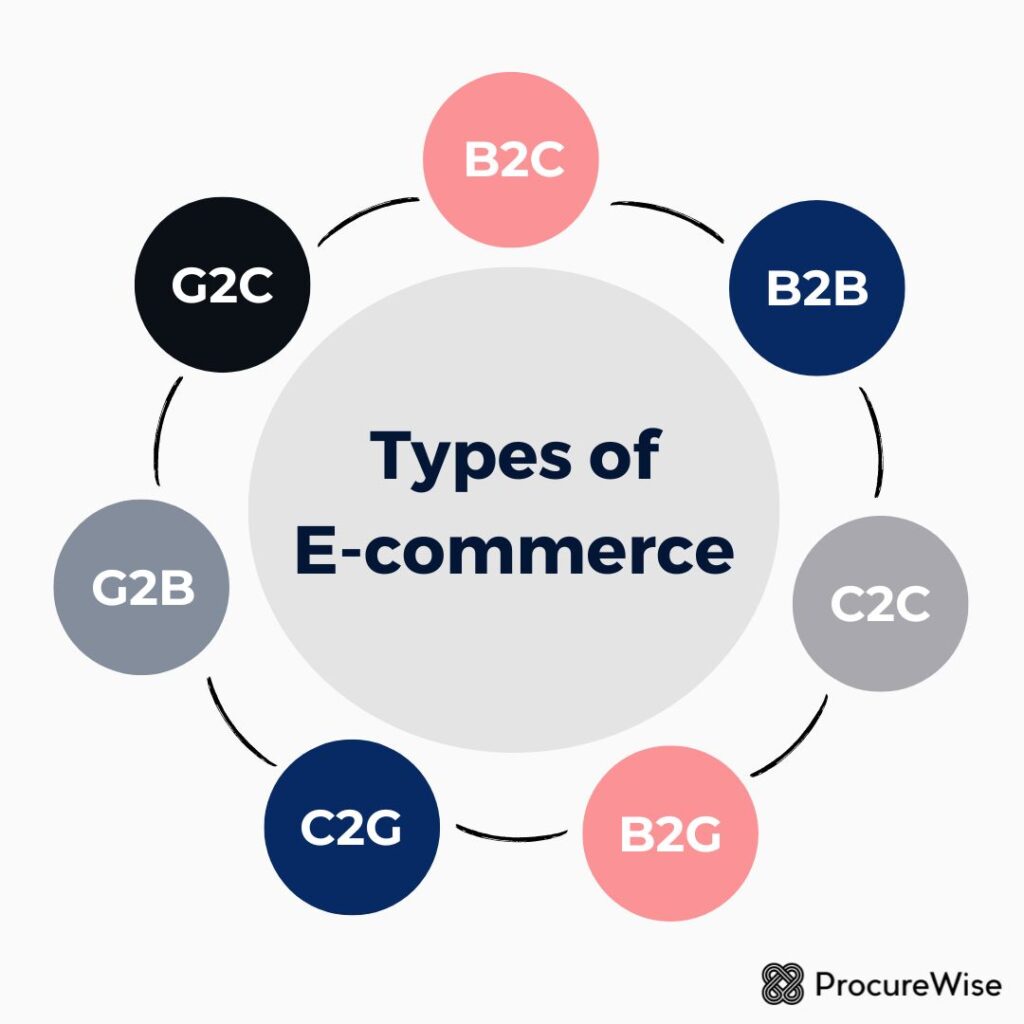
There are several types of ecommerce that exist in the digital marketplace. These different models allow for various types of transactions to occur, catering to the specific needs and preferences of both buyers and sellers. Some of the most common types of ecommerce include business-to-consumer (B2C e-commerce), business-to-business (B2B), consumer-to-consumer (C2C), business-to-government (B2G), consumer-to-government (C2G), government-to-business (G2B), and government-to-consumer (G2C).
➡️ B2C ecommerce refers to online transactions that occur between businesses and individual consumers. This model is often seen on popular retail websites, where businesses sell products or services directly to their customers. Examples include purchasing clothing from an online retailer or booking a hotel room through a travel website.
➡️ B2B ecommerce, on the other hand, involves transactions between businesses. This type of ecommerce typically involves purchasing goods or services for business purposes and is often seen in industries such as manufacturing or wholesale. An example of B2B ecommerce is when a retailer purchases products from a supplier to stock their store shelves.
➡️ C2C ecommerce occurs when individual consumers sell products or services to other consumers. This type of ecommerce is facilitated through online platforms or marketplaces where individuals can list and sell their items directly to other consumers. Popular C2C platforms include online auction websites like eBay or classified advertisement sites like Craigslist.
➡️ B2G ecommerce refers to online transactions between businesses and government entities. This includes government agencies purchasing goods or services from businesses for official use. An example of B2G ecommerce is when a government agency contracts a software company to develop a customized software solution.
➡️ C2G ecommerce involves individual consumers conducting online transactions with government entities. This can include paying taxes or fees online, applying for government services, or purchasing permits or licenses.
➡️ G2B ecommerce occurs when government entities purchase goods or services from businesses. This can include government contracts for construction projects, outsourcing services, or procurement of equipment.
➡️ G2C ecommerce involves government entities providing online services or information to individual consumers. This can include online portals for accessing government services or information websites.
The different types of ecommerce mentioned above encompass a wide range of transactions happening in the digital marketplace, catering to the needs of various entities and facilitating seamless online transactions.
✅ What are the advantages and disadvantages of ecommerce? ❌
Ecommerce, or electronic commerce, refers to the buying and selling of goods and services over the internet. It has revolutionized the way businesses operate and consumers shop. Understanding the advantages and disadvantages of ecommerce is crucial for businesses looking to adopt this sales method and achieve their business goals.
Advantages of ecommerce include:
✔️ Increased reach and accessibility: With an ecommerce platform, businesses can reach a global audience and operate 24/7. This expanded market potential allows for increased sales and revenue. Additionally, ecommerce offers the convenience of shopping from anywhere at any time, eliminating geographical barriers and the need for physical storefronts.
✔️ Cost savings: Ecommerce eliminates the need for traditional brick-and-mortar stores, reducing overhead expenses such as rent, utilities, and staffing. Online platforms also streamline inventory management, order processing, and payment systems, resulting in operational efficiency and reduced costs. Furthermore, digital marketing techniques can be employed at a fraction of the cost of traditional advertising methods, allowing businesses to target specific customer segments effectively.
✔️ Enables enhanced customer experience: With features like personalized recommendations and reviews, businesses can engage customers and build loyalty. The convenience of online shopping, with easy-to-navigate websites and secure payment systems, adds further value for customers. Additionally, ecommerce allows for data collection and analysis, enabling businesses to understand customer preferences and tailor their offerings accordingly.
However, ecommerce comes with its fair share of disadvantages:
✖️ Lack of physical interaction and sensory experience that traditional stores provide: Customers cannot physically see, touch, or try on products, which can lead to dissatisfaction or a higher return rate. Additionally, technical issues, such as slow website loading or glitches, can frustrate customers and deter them from completing a purchase.
✖️ Security concerns: Online transactions require customers to share their personal and financial information, potentially exposing them to data breaches and fraud. This lack of trust can hinder customer adoption and affect the reputation of businesses.
✖️ Intense competition: With a low barrier to entry, more businesses are entering the online marketplace, leading to increased competition and price wars. Standing out amongst competitors and attracting customers can become challenging.
In conclusion, ecommerce offers numerous advantages, such as increased reach, cost savings, and enhanced customer experience. However, it also brings disadvantages such as lack of physical interaction, security concerns, and intense competition. Businesses must carefully evaluate these pros and cons before adopting ecommerce as a sales method in order to align with their business goals.
👣 Steps to start an ecommerce business 💼
Starting an ecommerce business can be an exciting and lucrative venture. With the growing popularity of online shopping, there are ample opportunities to tap into the global market and build a successful digital storefront. However, before diving into the world of ecommerce, it is crucial to have a strategic plan in place.
1️⃣ The first step in starting an ecommerce business is to research and brainstorm business ideas. This involves identifying a niche market or a unique product that you are passionate about. Conduct market research to evaluate the demand, competition, and potential profitability of your chosen product or industry. Additionally, consider your target audience and their preferences, as this will help you tailor your business approach and marketing strategies.

2️⃣ Once you have determined your business idea, the next step is to decide how you will sell and ship your products. There are various options to consider, such as setting up your own online store, selling through established ecommerce platforms, or a combination of both. If you opt for building your own website, choose a reliable ecommerce platform that offers user-friendly features, secure payment gateways, and customizable design options.
3️⃣ Creating a website or online storefront is an essential part of establishing an ecommerce business. Your website is the face of your business and should be visually appealing, easy to navigate, and optimized for search engines. Invest in professional web design services if necessary, as an unprofessional or poorly designed website can deter potential customers.
5️⃣ Alongside creating a website, it is important to establish a fulfillment strategy. This includes determining how you will store, package, and ship your products to customers. Depending on the size and scale of your business, you can choose to fulfill orders in-house or outsource this process to a third-party logistics provider. Consider factors such as cost, efficiency, and customer satisfaction when deciding on a fulfillment strategy.
6️⃣ To attract customers and generate sales, effective promotional strategies are essential. Consider implementing various marketing techniques such as search engine optimization (SEO) to improve your website’s visibility in search engine results, social media marketing to engage with your target audience, and email marketing to nurture customer relationships and drive repeat business. Additionally, consider offering discounts, promotions, or free shipping to incentivize potential customers.
Starting an ecommerce business involves a series of key steps that are vital for its success. Begin by conducting thorough research to identify a niche market or product, followed by determining how you will sell and ship your products. Create a visually appealing and user-friendly website or online storefront, and establish a fulfillment strategy that meets the needs of your business. Lastly, attract customers through strategic promotional efforts and marketing techniques. By following these steps, you will be well on your way to building a successful ecommerce business.