

In an era where data is the new oil, the ability to harness predictive analytics within procurement is fast becoming a game changer. As organizations strive for efficiency and cost-effectiveness, understanding how to leverage data-driven insights can unlock new opportunities and streamline operations.
Predictive analytics involves analyzing historical data to make informed predictions about future trends and behaviors. In procurement, this means transforming how teams forecast demand, manage supplier relationships, and optimize inventory levels. By tapping into these analytical tools, procurement professionals can not only anticipate needs but also proactively address potential risks before they escalate into larger issues.
Imagine being able to predict price fluctuations in commodities or identifying the perfect time to reorder supplies based on usage patterns. The insights gained from predictive analytics can drive strategic decisions, leading to smarter purchasing that aligns with the overall business objectives.
In this guide, we’ll explore the fundamentals of predictive analytics in procurement, including key strategies, real-world examples, and best practices to help you harness this powerful tool and stay ahead of the competition. Get ready to unlock the future of procurement and elevate your operational effectiveness to new heights!
❔What is Predictive Analytics in Procurement❔
Predictive analytics in procurement involves utilizing advanced data analysis techniques to evaluate spend, catalog, supplier, and materials data to identify patterns and forecast future outcomes. By analyzing historical data, organizations can gain insights that help predict future spending trends and supplier performance, ultimately enhancing strategic decision-making.
For businesses that have already implemented expenditure analytics, predictive analytics significantly bolsters inventory management and cost control strategies. It enables procurement teams to anticipate demand and optimize stock levels, reducing excess inventory and associated carrying costs.
This approach empowers organizations to uncover opportunities and address challenges through actionable insights derived from big data. By leveraging predictive analytics, businesses can proactively manage risks associated with supply chain disruptions, enhance supplier relationships, and identify cost-saving opportunities. Ultimately, the integration of predictive analytics within procurement processes facilitates a more strategic and informed approach to managing resources, leading to improved organizational efficiency and performance.
Take advantage of our services for reports and management dashboards now!
🔄 How Does AI Forecasting in Procurement Work? 🔄
AI (Artificial Intelligence) forecasting leverages advanced algorithms and machine learning techniques to generate accurate predictions based on historical data. The process begins with data collection, where vast amounts of relevant information—such as sales records, customer behavior, and market trends—are gathered. This data serves as the foundation for training machine learning models.
Once the data is collected, it undergoes rigorous analysis to identify patterns and correlations, aiding in demand sensing. Here, machine learning methods, such as regression analysis or time series forecasting, help the algorithm learn from historical data, allowing it to recognize trends and draw insights about future outcomes.
A crucial aspect of AI-driven forecasting is model iteration. After initial training, the model is continuously refined, incorporating new data and adjusting to emerging variables and unexpected events. This adaptability enhances its accuracy, ensuring that forecasts remain relevant in dynamic environments. By responding effectively to changes, organizations can make informed decisions, optimize resources, and improve strategic planning in an increasingly unpredictable marketplace. In essence, the power of AI forecasting lies in its ability to integrate historical data with ongoing learning processes.
📚 Types of Procurement Analysis 📚
Procurement analysis plays a crucial role in optimizing procurement performance by leveraging data-driven insights. There are four primary types of procurement analysis: descriptive, diagnostic, predictive, and prescriptive analytics.
➡️ Descriptive analytics focuses on understanding historical data, providing a clear overview of past procurement performance. By summarizing trends and patterns, organizations can ascertain what has occurred and assess the effectiveness of their procurement processes.
➡️ Diagnostic analytics goes a step further by exploring the reasons behind historical outcomes. It identifies the factors that influenced procurement results, allowing organizations to understand why certain decisions led to specific results, thereby pinpointing areas for improvement.
➡️ Predictive analytics leverages historical data and statistical algorithms to forecast future procurement events. This type of analysis helps organizations anticipate market changes, supplier performance, and demand trends, enabling proactive decision-making to mitigate risks and align procurement strategies with future needs.
➡️ Prescriptive analytics takes predictive insights a step forward by recommending actions based on data. It provides actionable strategies tailored to optimize procurement processes, enhance supplier relationships, and improve overall efficiency.
Together, these four types of analytics enable comprehensive insights into procurement performance, driving informed decision-making throughout the procurement lifecycle.
✅ Key benefits of Predictive Analytics adn AI forecasting in Procurement ✅
The integration of predictive analytics and AI forecasting in procurement brings numerous key benefits, helping organizations optimize their procurement strategies and enhance overall efficiency. Here are some of the main advantages:
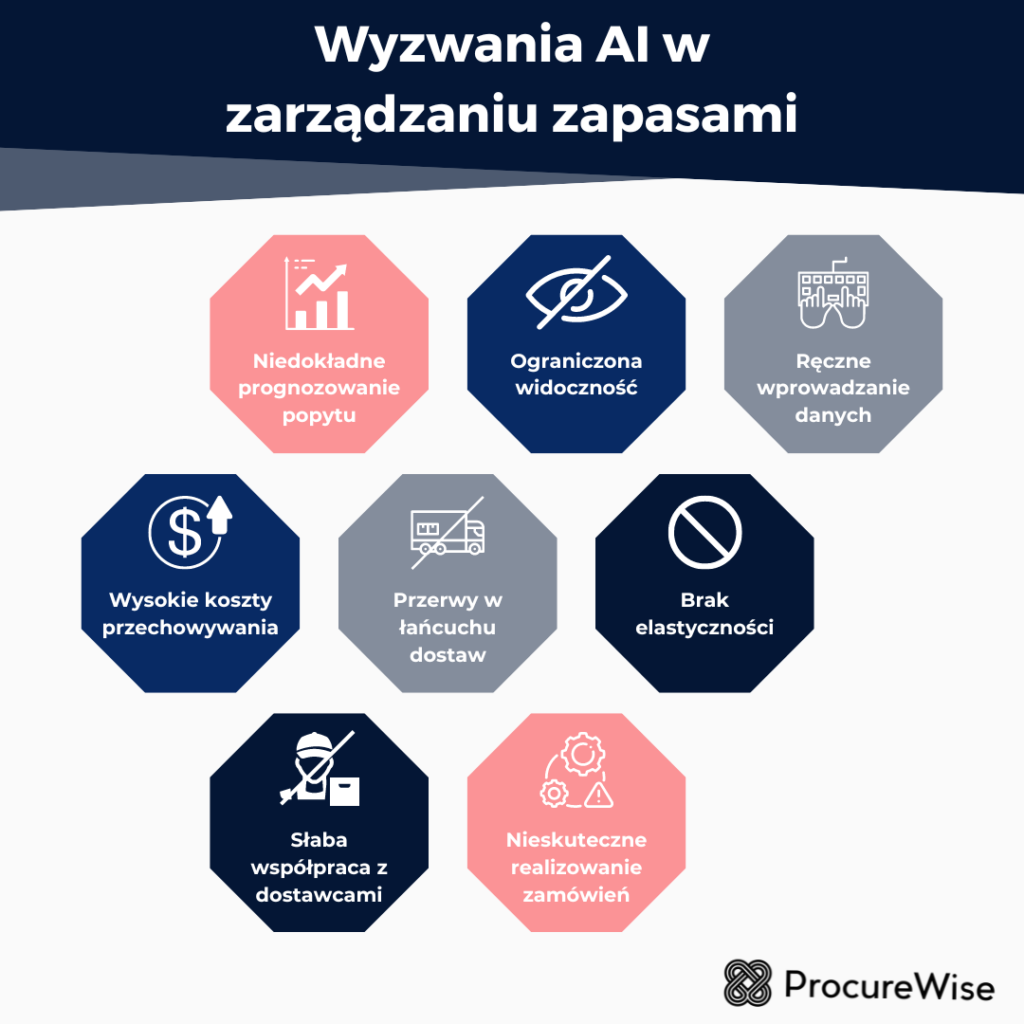
✔️ Improved Demand Forecasting: AI algorithms analyze historical data and recognize patterns to predict future demand more accurately, helping procurement teams ensure adequate stock levels while avoiding overstock.
✔️ Enhanced Decision-Making: Predictive analytics provides actionable insights that empower procurement professionals to make data-driven decisions, minimizing risks and improving outcomes.
✔️ Cost Reduction: By forecasting price trends and negotiating better terms with suppliers based on predictive insights, organizations can achieve significant cost savings in procurement.
✔️ Supplier Risk Assessment: AI can evaluate the financial health and reliability of suppliers, predict potential risks, and suggest mitigation strategies, allowing companies to proactively manage supplier relationships.
✔️ Inventory Optimization: AI forecasting helps maintain optimal inventory levels by predicting turnover rates and ensuring that materials are procured just-in-time, which reduces holding costs and waste.
✔️ Agility and Responsiveness: Predictive analytics allows organizations to respond quickly to market changes or unexpected disruptions, enabling them to adjust their procurement strategies in real-time.
✔️ Informed Supplier Selection: AI tools analyze supplier performance data and market trends to identify the best suppliers based on a range of criteria, leading to improved selection processes.
✔️ Streamlined Processes: By automating data analysis and reporting, predictive analytics tools free up procurement teams to focus on more strategic tasks, increasing efficiency in operations.
✔️ Enhanced Collaboration Across Departments: Sharing predictive insights fosters collaboration between procurement, finance, and operations, aligning strategies and objectives across the organization.
✔️ Better Negotiation Outcomes: With predictive insights into market trends and supplier performances, procurement teams can negotiate more effectively, leveraging data to support their positions.
✔️ Sustainability Insights: Predictive analytics can also support sustainable procurement practices by identifying suppliers and materials that align with environmental goals, leading to more responsible sourcing.
Incorporating predictive analytics and AI-powered forecasting into procurement processes can lead to a more resilient, strategic, and forward-thinking approach, ultimately driving business success and competitive advantage.
💼 Predictive Analytics and AI Forecasting in Procurement Use Cases 💼
Predictive analytics and AI forecasting in procurement offer numerous practical applications that significantly enhance decision-making, optimize processes, and drive efficiencies. These technologies empower organizations to leverage data in ways that create tangible benefits across various aspects of procurement.
👉 One of the most impactful applications is in demand forecasting. For instance, a retail company might use AI forecasting to predict future product demand by analyzing historical sales data, seasonal trends, and external factors such as holidays or promotions. This enables the company to align its procurement strategy with anticipated sales, thereby reducing excess inventory and avoiding stockouts.
👉 Supplier risk management is another critical area where predictive analytics proves invaluable. A manufacturing firm, for example, could assess the risk associated with its suppliers by analyzing factors like financial performance, delivery history, and geopolitical risks. By identifying high-risk suppliers early, the firm can take proactive measures such as securing alternative sources or renegotiating contracts, thus mitigating potential disruptions.
👉 Cost optimization is a further area where predictive analytics can drive significant savings. A construction company, for example, might analyze historical price fluctuations for key materials like steel and concrete. By forecasting potential price increases based on market trends, the company can make more strategic purchasing decisions, such as buying in bulk before prices rise, resulting in substantial cost savings.
👉 Inventory management also benefits greatly from these technologies. An electronics distributor might use AI to optimize inventory levels by aligning them with sales forecasts and supplier lead times. This approach minimizes both excess inventory costs and the risk of product shortages, thereby improving cash flow and operational efficiency.
👉 Evaluating supplier performance over time is another area where predictive analytics shines. A healthcare organization, for instance, might deploy these tools to assess metrics such as delivery accuracy and quality compliance. The insights gained allow the organization to make data-driven decisions when selecting or re-evaluating suppliers, ensuring that procurement practices remain high-quality and efficient.
👉 Scenario simulation is yet another application, particularly useful for large, global companies. A consumer goods company could use predictive modeling to simulate various supply chain scenarios, such as economic downturns or supplier disruptions. This capability enables the company to develop robust contingency plans and risk management strategies, ensuring supply chain resilience.
👉 Lifecycle cost analysis is also enhanced through predictive analytics. An automotive manufacturer, for example, might analyze the total cost of ownership for components, including maintenance and warranty claims over time. This comprehensive view helps the manufacturer make procurement decisions that balance upfront costs with long-term value.
👉 Contract optimization is another domain where AI plays a crucial role. A logistics firm might use AI to analyze existing contracts and predict the effectiveness of different terms based on historical data. This insight allows the firm to negotiate better contracts or improve existing ones, leading to stronger supplier relationships and better cost management.
👉 AI-driven procurement processes can also automate routine tasks, such as purchase order issuance and invoice processing. For a tech startup, this means reducing the manual workload and enhancing efficiency, allowing the procurement team to focus on more strategic initiatives.
👉 Sustainability and compliance monitoring benefit from AI as well. A food and beverage company, for instance, might use AI to predict compliance risks related to regulatory changes or sustainability goals within its supply chain. Proactive monitoring ensures that the company’s procurement strategies align with both compliance requirements and sustainability objectives, improving its reputation and reducing risk.
👉 Supplier collaboration and innovation are further enhanced by predictive analytics. A fashion retailer, for example, might forecast the need for collaborative design sessions with suppliers based on seasonality and market trends. This approach leads to timely product launches and innovative designs that better meet consumer demands, thereby enhancing the retailer’s competitiveness.
👉 Finally, market trend analysis is a powerful application of predictive analytics. A pharmaceutical company might leverage these tools to forecast the demand for new drugs by analyzing demographic data and healthcare trends. Such insights assist in planning research and development, production capacities, and marketing strategies more effectively.
By applying predictive analytics and AI forecasting, organizations can significantly enhance their procurement functions across a wide range of areas. These technologies lead to a more strategic, efficient, and resilient procurement process, ultimately driving better business outcomes.
🥊 Challenges in AI forecasting and Predictive Analytics in Procurement 🥊
AI forecasting presents several common challenges that can undermine its effectiveness. One major issue is the evolving roles and responsibilities within organizations, which demand skilled data scientists who can adapt to new tools and methodologies. Without their expertise, forecasts can quickly become inaccurate.
Another critical concern is model staleness, as reliance on obsolete data can lead to misguided predictions. Regularly updating datasets is essential to maintain the relevance of AI forecasting models.
Additionally, data privacy and security are significant hurdles, particularly in cloud-based solutions where sensitive information may be exposed to potential breaches. Organizations must implement robust security measures to protect their data.
Finally, avoiding overfitting in forecasting models is crucial to ensuring predictive accuracy. Overfitting occurs when a model learns noise rather than the underlying patterns in the data, leading to poor performance on unseen data. Striking a balance between complexity and generalizability is essential for reliable AI forecasting. By addressing these issues, organizations can enhance the reliability and relevance of their forecasting efforts.